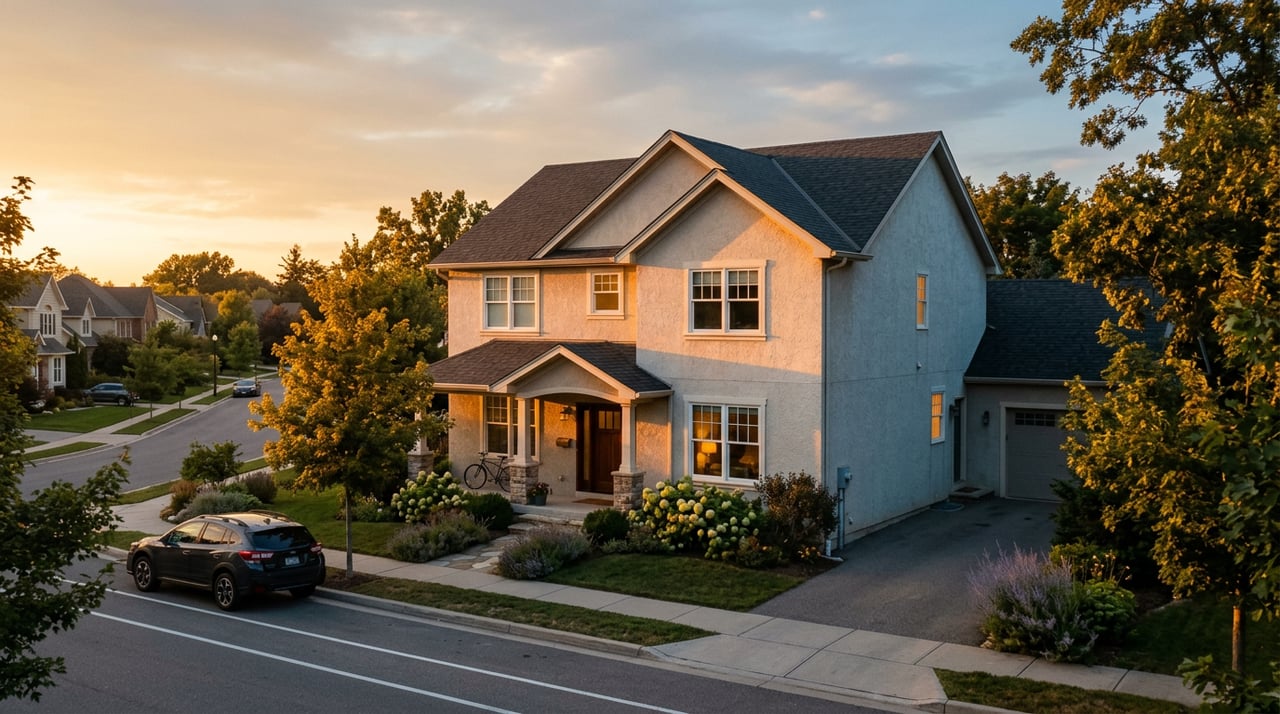
Why Euclid St. Paul's Haunted Hike Still Defines the Neighborhood
September 17, 2026
September 17, 2026
Back in 2004, a woman who had just moved into Euclid St. Paul's looked at the corner of 13th Avenue North and 13th Street North and decided the neighborhood needed a reputation. Not a real one. A story good enough to hang a party on. "About 18 years ago, we claimed it as St. Pete's most paranormal neighborhood because we have the intersection of 13th Avenue and 13th Street," Wendy Wesley later told St Pete Catalyst. "We said, you've got to be famous for something in this town, so we claimed it."
That was the whole basis. Two streets that happen to share a number. Nobody found a ghost story here first. The neighborhood invented one, then built an actual tradition on top of the invention, and the tradition outlasted the joke by a couple of decades. This year, the Euclid St. Paul's Neighborhood Association runs its 23rd Annual Haunted Hike in October, and if you ask a longtime resident what defines this stretch of St. Petersburg, more of them will mention the Hike before they mention the brick streets.
The event itself is modest by design. It's a one-mile guided walk through the neighborhood's oldest blocks, with tour groups leaving the 13th and 13th intersection roughly every 15 minutes so the crowd never bottlenecks. Costumed volunteers stationed along the route perform short scenes at specific old homes, tied to local lore about who supposedly lived there. Thrill St. Pete, the neighborhood's own zombie dance troupe, has performed its pop-up routine on a front lawn for years running. A bake sale staffed by neighbors sells the kind of goods that only survive on a single night, and a vendor called Frozen Stiffs handles the frozen treats.
None of it is produced by an outside events company. ESPNA runs it with resident volunteers who bake, act as guides, or help with setup and cleanup, and the association has put out its usual call for more hands ahead of this year's walk. Advance tickets go through espna.org. Leashed dogs are welcome. The whole thing runs about an hour, and organizers say it sells out nearly every year.
What makes the math interesting is how small the founding idea was against how long it has lasted. St Pete Catalyst has called it the longest-running district Halloween event in the city, a title that's easy to hold when your closest competition is a corporate haunted house with a fresh theme every season and no roots in an actual place.
The Hike didn't stay a standalone party. It became the anchor for a whole year of neighborhood programming that ESPNA now runs on a predictable rhythm. General meetings happen every other month, typically the first Thursday, and this year's October session lands on the first, just weeks before the Hike, which is when the last volunteer slots usually get filled. Recent meetings have been held at The Sanctum Apothecary and Cafe on 12th Street North, a small local spot that's become the association's informal clubhouse for these gatherings.
Before the Hike, ESPNA also throws its own neighborhood Oktoberfest at a residential address on 12th Street North, an adults-only gathering the group bills as a way to kick off the fall season together. After the Hike, the same volunteer network turns to a December holiday-lights event, and in between there are informal Friday yard parties that residents host for each other throughout the year. None of these is large on its own. Stacked together, they form a full social calendar that a small, unpaid group of neighbors has kept running since at least 2010, when ESPNA started routing a share of its event proceeds to local charities.
That's the part worth sitting with. A neighborhood association didn't just organize one good party. It used one invented bit to build a repeating structure of civic life, one that gives residents a reason to show up in February, June, August, September, October, and December without any of it depending on the city or a developer.
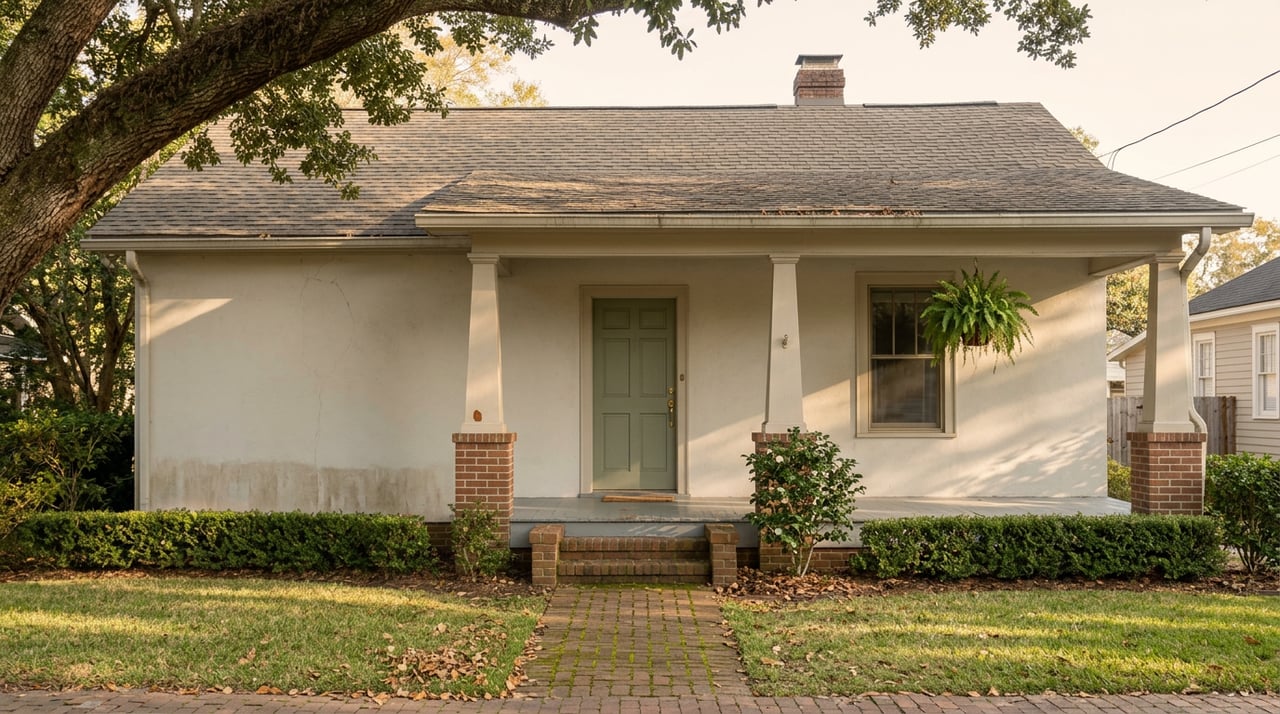
If you look up Euclid St. Paul's on paper, you get a different story. The neighborhood traces back to a 20-acre orange grove that Mary Eaton, later the founder of the St. Petersburg Memorial Historical Society, co-owned starting in 1912. Developer John B. Green bought the land in 1921 and built it out during the city's land boom, and the footprint eventually grew to the 240 acres the neighborhood association still uses to mark its borders today. The neighborhood sits between the Historic Uptown and Historic Kenwood districts, keeps its original brick streets in places, and is home to a mix of Craftsman bungalows and colonials from the 1920s. It's also, less romantically, where the Pinellas County Schools administrative headquarters is located.
That's the version every neighborhood guide repeats, and it's accurate. It's also not what a current resident would tell you if you asked what the neighborhood is actually like to live in day to day. Nobody organizes their fall around the fact that Mary Eaton owned an orange grove in 1912. They organize it around whether they've got a costume ready for the Hike, whether they're bringing something to the bake sale, and whether the October general meeting at The Sanctum landed before or after the last volunteer sign-up closed.
The 1920s history gives the neighborhood its architecture. The manufactured one, the deliberately silly claim about a haunted intersection, gives it its actual social operating system. One is inherited. The other had to be built, on purpose, by people who decided the neighborhood needed something to rally around and then kept showing up to make it true.
That's a harder thing to fake than old brick streets. Plenty of St. Petersburg neighborhoods have historic housing stock. Fewer have a volunteer group that turned a joke into 23 consecutive years of infrastructure, funded a charity pipeline out of it since 2010, and got residents driving in from across the bay just to walk one mile of their streets once a year.
If you're already in Euclid St. Paul's, the practical takeaway is simple. Save the date for the Hike, get your ticket through espna.org before it sells out, and if you've got a Friday evening free before then, it's worth finding out which neighbor is hosting the next yard party. That's the calendar. It didn't come from the city. It came from people who decided their block deserved one.
For anyone thinking further ahead, whether that's understanding what makes a St. Petersburg neighborhood actually function versus what a listing sheet says about it, Abdiel Gil spends time in these neighborhoods for exactly this reason. Let's Connect when you're ready to talk about what living here really involves.
Stay up to date on the latest real estate trends.
Experience personalized guidance backed by years of industry knowledge and local expertise. From finding the right home to making confident financial decisions, every step is focused on your success.

Abdiel Gil
1155 Pasadena Ave S South Pasadena, FL 33707